
BROWSE PRODUCTS BY MATERIAL
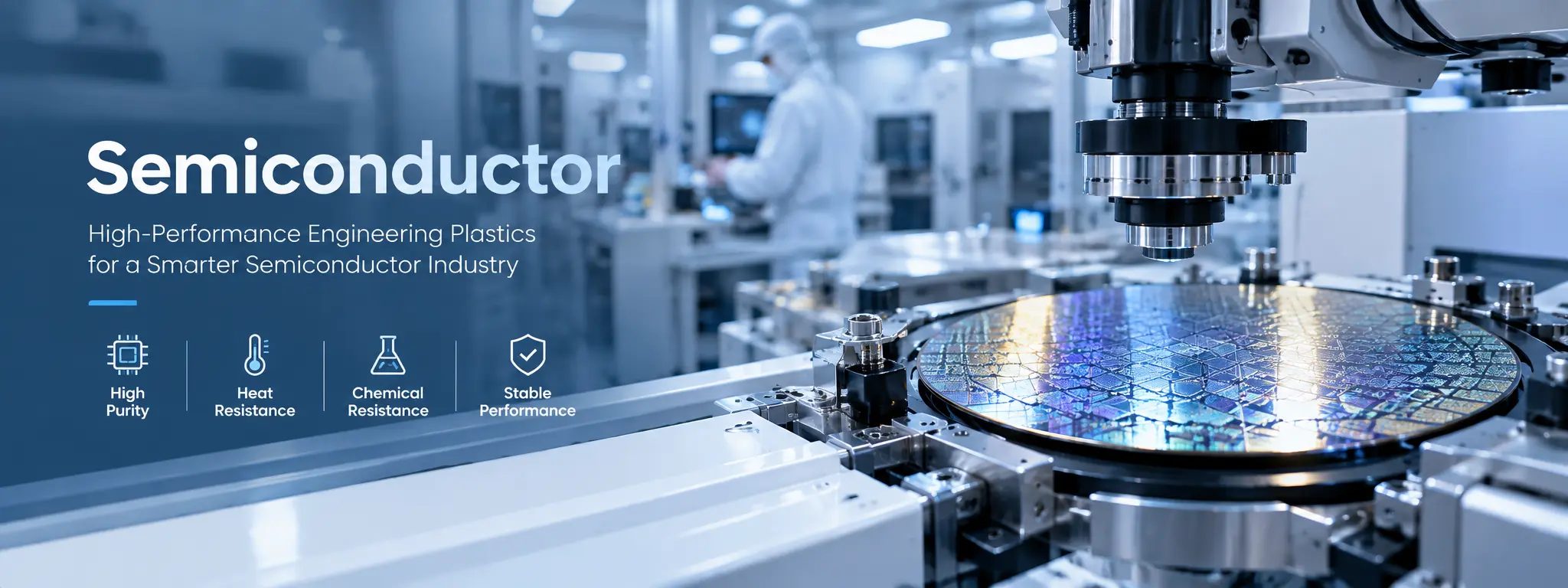
MATERIALS FOR PRECISION PROCESS EQUIPMENT
Designed Around Demanding Process Conditions.
Semiconductor manufacturing equipment combines precision motion, aggressive chemicals, elevated temperatures, electrical systems and strict contamination control.
Engineering plastics can replace or complement metal in selected fixtures, insulators, guides, carriers and fluid-handling components where low weight, corrosion resistance or electrical performance is important.
ZERO supplies rods and sheets for further CNC machining. The suitable polymer and grade should be confirmed from the exact process environment and component requirements.
PRECISION
Stable stock shapes for close-tolerance machining.
PROCESS RESISTANCE
Materials considered around heat, chemicals and electrical requirements.
SEMICONDUCTOR PERFORMANCE REQUIREMENTS
Properties That Matter in Semiconductor Equipment.
Different process stages emphasize different properties. Material selection should evaluate the complete combination.
01 · CHEMICAL
Chemical Resistance
Resistance to acids, bases, solvents and cleaning chemicals used around process equipment.
02 · THERMAL
Thermal Performance
Maintain useful strength and dimensional control during elevated-temperature service.
03 · STABILITY
Dimensional Stability
Support close tolerances and repeatable equipment positioning across working conditions.
04 · ELECTRICAL
Electrical Insulation
Provide dielectric separation for selected fixtures, connectors and equipment structures.
05 · MOTION
Wear & Low Friction
Reduce friction in guides, supports and repeated-motion equipment components.
06 · MACHINING
Precision Machinability
Support clean features, controlled tolerances and repeatable CNC production.
TYPICAL COMPONENTS
Machined Parts Across Semiconductor Equipment.
These examples illustrate potential uses of engineering plastics. Final material suitability must be verified for the exact design and process.
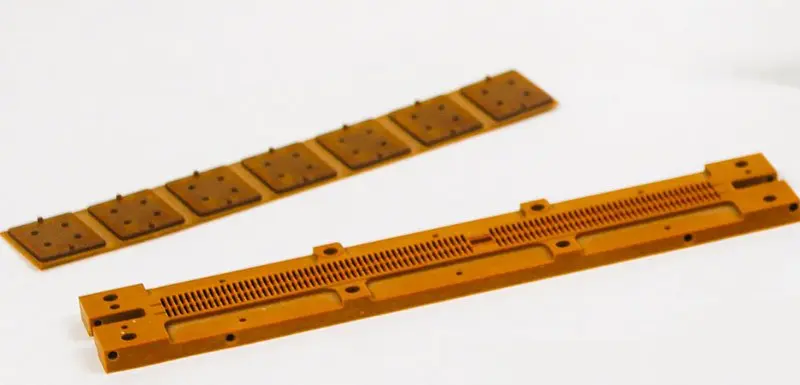
01 / HANDLING
Wafer Handling Fixtures
Supports, carriers and locating components for controlled handling.
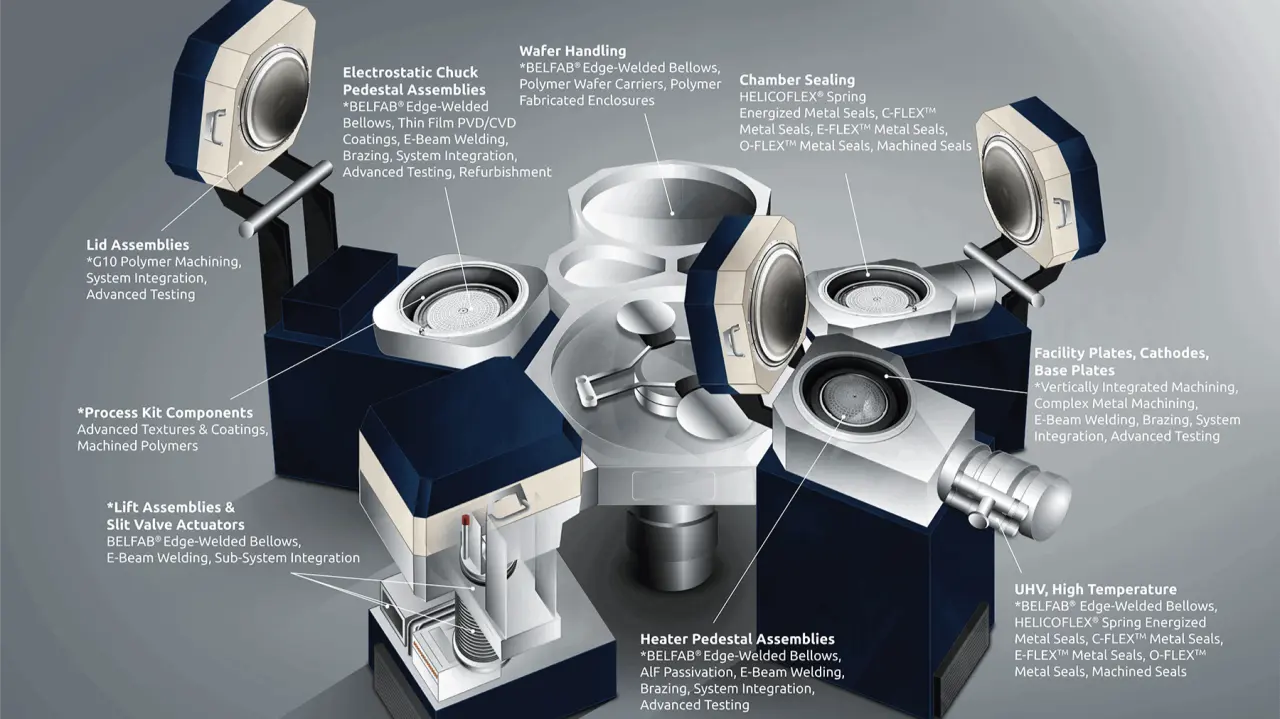
02 / WET PROCESS
Chemical Process Parts
Selected fluid-handling and structural components exposed to chemicals.
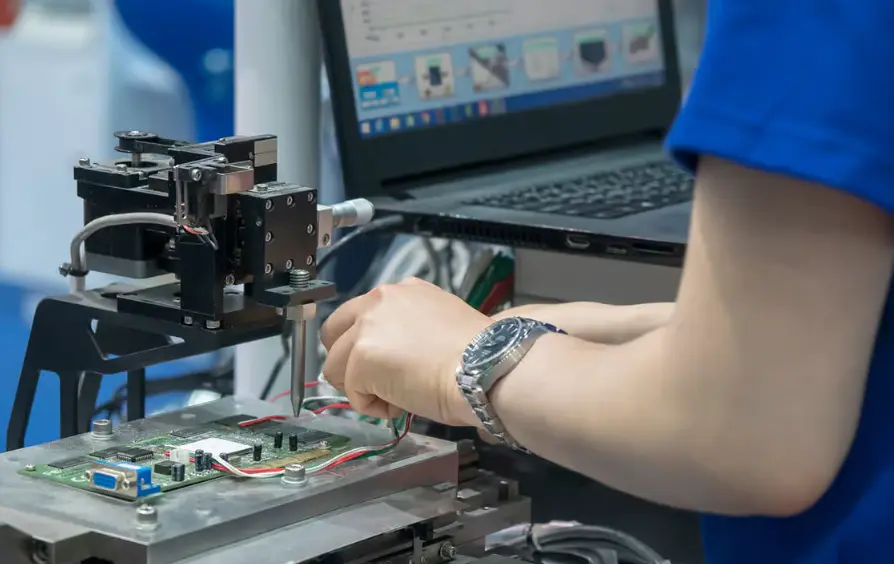
03 / INSPECTION
Inspection Fixtures
Dimensionally stable nests, supports and alignment components.
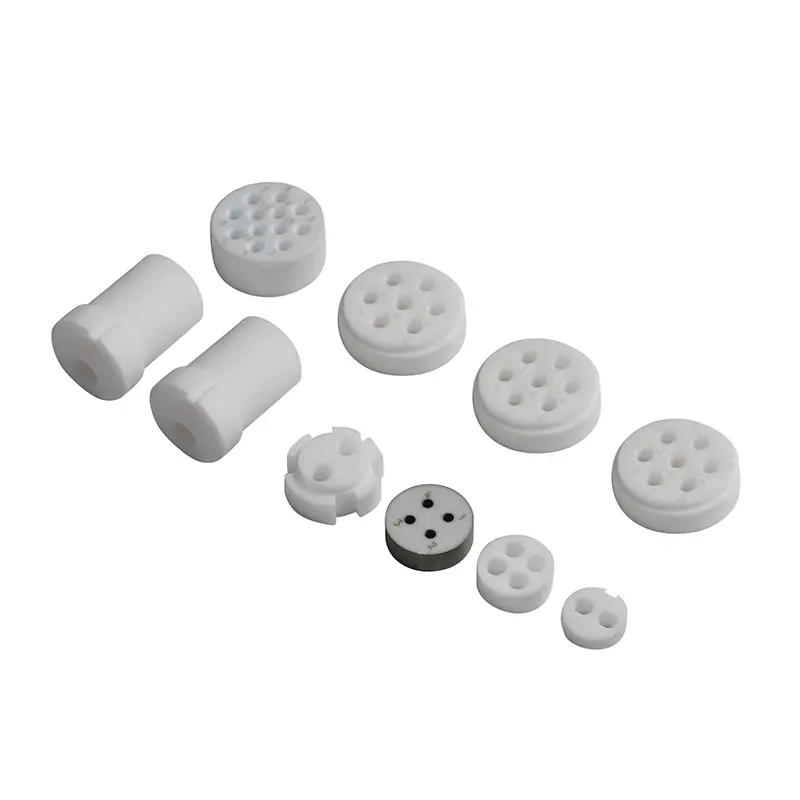
04 / ELECTRICAL
Insulators & Supports
Electrical separation and structural support within equipment assemblies.
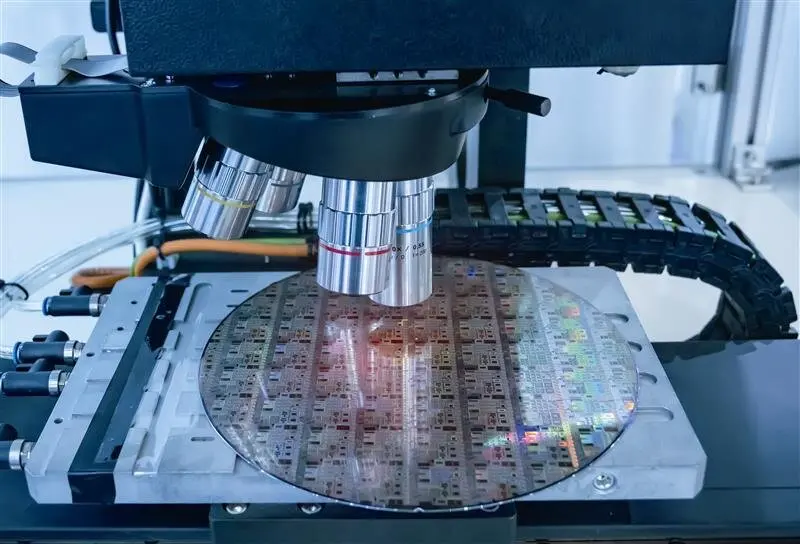
05 / MOTION
Guides & Wear Parts
Low-friction guides, bushings and moving equipment components.
SEMICONDUCTOR FAQ
Before Selecting a Stock-Shape Material.
These answers provide general guidance. Final suitability depends on the exact material grade and process conditions.
Which engineering plastics are commonly considered for semiconductor equipment?
PEEK, PPS, PVDF, PEI and selected POM grades may be considered depending on temperature, chemicals, purity, mechanical load, electrical requirements and cost targets.
Can engineering plastic stock shapes be machined to close tolerances?
Yes, but achievable tolerances depend on the polymer, reinforcement, stock dimensions, moisture, internal stress, part geometry and machining method. The machinist should account for plastic-specific behavior.
Is PVDF suitable for every chemical process component?
No single polymer is suitable for every chemical and temperature combination. Chemical compatibility, concentration, temperature, stress and required purity should be checked for the selected grade.
When should reinforced PEEK or PPS be evaluated?
Glass- or carbon-fiber reinforced grades may be evaluated when additional stiffness, strength or dimensional performance is needed. Their directional properties and machining behavior should also be considered.
What information should be provided for a semiconductor component inquiry?
Please provide the component drawing, material or target properties, process chemicals, temperature, tolerance, certification requirements, stock dimensions, quantity and destination.